+86-13819126663
Luftentfeuchter für Museen, Archive und Bibliotheken video

Luftentfeuchter für Museen, Archive und Bibliotheken

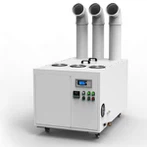
240L Luftentfeuchter für Museen

Beschreibung

Luftentfeuchter für Museen, Archiv


Haupteigenschaften:

1. Großflächige Anwendung: große Entfeuchtungskapazität, geeignet für großflächige Entfeuchtungsnachfrage, großer Windzyklus


2, ultra-breiter Feuchtigkeitsbereich: 20% -90% ultra-breiter Feuchtigkeitsbereich, kann die Anforderungen verschiedener Entfeuchtungsstandorte erfüllen, kann flexibel auf extreme Umgebungen reagieren


3, ständige Entwässerung unterstützen: externes Abflussrohr, direkter Zugang zum Abwasserrohr, bequeme Entwässerung


4, intelligente Entfeuchtung: enthält intelligente Chips, automatisch automatische Entfeuchtung entsprechend der aktuellen Umgebungsfeuchtigkeit, keine Notwendigkeit zu sehen


5, intelligente Fehlerbeurteilung: Ermitteln Sie automatisch den Fehlerort und die Rückmeldung auf dem LCD-Bildschirm für die Wartung


6, Zwei-Wege-Timing: kann die Startzeit und Stillstandszeit entsprechend den Arbeitsanforderungen einstellen, einfach zu bedienen


Produktfotos:

Dehumidifiers for Museums, Archives and Libraries

Dehumidifiers for Museums, Archives and Libraries

Detaillierte Parameter:

Modell DH-5168C
Feuchtigkeitsentfernung 168L / D oder 7L / H
Energiequelle 380 V / 50 Hz
Nennleistungseingang 3.2KW
Strom Strom 6.2A
Arbeitstemperatur 5-38
Luft zirkulieren 1600M3 / h
Kältemittel R22 / R407C
Nettogewicht 108 kg
Bruttogewicht 118 kg
Platz anwenden 150 ~ 200m2
Produktabmessung 405x605x1620mm
Verpackung Dimension 485 x 655 x 1680 mm
Lade Menge 33pcs / 20ft
Produktionszeitraum 10 Tage
Garantie 1 Jahr

Antrag auf Luftentfeuchter in Museen, Archiven und Bibliotheken

Das Konzept der Luftfeuchtigkeit (absolute Luftfeuchtigkeit und relative Luftfeuchtigkeit) wird normalerweise in die Untersuchung von Umweltstudien im Museum einbezogen. Um die Luftfeuchtigkeit zu verstehen, muss der Zusammenhang zwischen relativer Luftfeuchtigkeit und absoluter Luftfeuchtigkeit verstanden werden. Die Luft um uns herum enthält eine gewisse Menge Wasserdampf, der als feuchte Luft bezeichnet wird. Die Luft, die theoretisch frei von Wasserdampf ist, wird als trockene Luft bezeichnet. Die absolute Feuchte ist das Verhältnis der Masse des Wasserdampfs in der Luft zum Gesamtvolumen der feuchten Luft. Es ist ein Maß für die Wasserdampfmenge in der Luft.


Unter bestimmten Temperaturbedingungen wird das Verhältnis des Wassergehalts der Luft zum Wassergehalt, bei dem der Wasserdampf in der Luft den Sättigungspunkt erreicht, als relative Luftfeuchtigkeit bezeichnet. Wenn die Luftfeuchtigkeit den höchsten Wert erreicht, spricht man von Sättigung. Die relative Luftfeuchtigkeit beträgt in diesem Fall 100%.


Die Wassermenge, die in der Luft gespeichert werden kann, wird durch die Temperatur beeinflusst. Je höher die Temperatur, desto höher ist das Wasser. Daher ändert sich die absolute Luftfeuchtigkeit (Wassergehalt) nicht. Je höher die Temperatur, desto niedriger ist die relative Luftfeuchtigkeit. Wenn das Gewicht des Wasserdampfs in der Luft konstant ist und sich die Temperatur ändert, kann die relative Luftfeuchtigkeit stark variieren.


Zum Beispiel können für Museen in einer halboffenen Umgebung Sammlungen, einschließlich Metallartefakte, während der Ausstellung einer höheren Temperatur und relativen Luftfeuchtigkeit ausgesetzt werden, aber aus irgendeinem Grund werden die Artefakte in eine Umgebung mit niedriger Temperatur aufgrund der Änderung von verschoben Bei dieser Temperatur kondensiert der Wasserdampf um die Metallartefakte herum und verursacht "Kondensation". Das Phänomen der "Kondensation" von Wasserdampf auf der Oberfläche von Metallartefakten ist eine wichtige Ursache für die Korrosion von Metallartefakten.


Darüber hinaus ist die Luftfeuchtigkeit in der Umgebung, in der sich die Sammlung befindet, zu groß, was dazu führt, dass die Sammlungen eine schlechte Wasserbeständigkeit aufweisen, z. B. Papier, die Farbe der Bilder dunkler wird und zu Fleckenbildung neigt. und wenn die Luftfeuchtigkeit zu niedrig ist, reißen Holz und Lacke. . Daher ist es sehr wichtig, den Feuchtigkeitsgehalt und die Temperatur der Atmosphäre im Museum zu kontrollieren.


Heutzutage verwenden viele Museen und Kunstgalerien im In- und Ausland Luftfeuchtigkeitsregler, Feuchtigkeitsabsorber usw., um die Luftfeuchtigkeit des Ausstellungsraums und des Lagerhauses einzustellen, und haben bestimmte Ergebnisse erhalten.

The concept of humidity (absolute humidity and relative humidity) is usually involved in the study of museum environmental studies. In order to understand the humidity, it is necessary to understand the relationship between relative humidity and absolute humidity. The air around us contains a certain amount of water vapor, which is called wet air; the air that is theoretically free of water vapor is called dry air. Absolute humidity is the ratio of the mass of water vapor in the air to the total volume of humid air. It is a measure of the amount of water vapor in the air.  Under certain conditions of temperature, the ratio of the water content in the air to the water content at which the water vapor in the air reaches the saturation point is what we usually call relative humidity. When the moisture in the air reaches the highest level, it is called saturation. The relative humidity in this case is 100%.  The amount of water that can be stored in the air is affected by the temperature. The higher the temperature, the more the water is. Therefore, the absolute humidity (water content) does not change. The higher the temperature, the lower the relative humidity. If the weight of water vapor in the air is constant and the temperature changes, the relative humidity may vary greatly.  For example, for museums in a semi-open environment, collections including metal artifacts may be exposed to a higher temperature and relative humidity during the exhibition, but for some reason the artifacts are moved to In a low temperature environment, due to the change of temperature, the water vapor around the metal artifacts will condense under cold conditions, causing


The concept of humidity (absolute humidity and relative humidity) is usually involved in the study of museum environmental studies. In order to understand the humidity, it is necessary to understand the relationship between relative humidity and absolute humidity. The air around us contains a certain amount of water vapor, which is called wet air; the air that is theoretically free of water vapor is called dry air. Absolute humidity is the ratio of the mass of water vapor in the air to the total volume of humid air. It is a measure of the amount of water vapor in the air.  Under certain conditions of temperature, the ratio of the water content in the air to the water content at which the water vapor in the air reaches the saturation point is what we usually call relative humidity. When the moisture in the air reaches the highest level, it is called saturation. The relative humidity in this case is 100%.  The amount of water that can be stored in the air is affected by the temperature. The higher the temperature, the more the water is. Therefore, the absolute humidity (water content) does not change. The higher the temperature, the lower the relative humidity. If the weight of water vapor in the air is constant and the temperature changes, the relative humidity may vary greatly.  For example, for museums in a semi-open environment, collections including metal artifacts may be exposed to a higher temperature and relative humidity during the exhibition, but for some reason the artifacts are moved to In a low temperature environment, due to the change of temperature, the water vapor around the metal artifacts will condense under cold conditions, causing

Beliebte label: Luftentfeuchter für Museen, Archive und BibliothekenChina, Hersteller, Lieferanten, Fabrik, Großhandel

Anfrage senden

(0/10)

clearall